Global buyers are reassessing plastic valve sourcing in 2026. The reason is practical. Chemical plants, water-treatment facilities, and semiconductor sites need corrosion resistance without unnecessary weight. Polypropylene ball valves often meet that requirement when temperature, pressure, and chemical compatibility are properly verified.
The MarketsandMarkets Industrial Valves Market report estimates growth from approximately USD 78.7 billion in 2024 to USD 98.7 billion by 2029. Its projected compound annual growth rate is about 4.6%. Grand View Research also identifies steady expansion in plastic valves, supported by water infrastructure and chemical processing demand. These figures are useful, but they are not perfect. Research firms define product categories differently. Buyers should check the methodology.
John McGlohn, a senior executive in the thermoplastic piping industry, offers a practical reminder: “A valve is only as reliable as the system around it.” That principle matters when comparing Pp Ball Valve Manufacturers. A low-cost valve may fail early if the actuator, gasket, pipe connection, or installation method is unsuitable. Small details matter. Check PP resin grades, pressure ratings, temperature limits, ISO or DIN compliance, batch traceability, and test documentation. Request sample units. Inspect the ball movement. Review factory quality records. Speak with current users.
The manufacturers highlighted in this guide are assessed through technical capability, production experience, export readiness, certifications, customization support, and after-sales service. Rankings can still change. Regional availability, freight conditions, and raw-material costs remain unpredictable. A careful shortlist is better than a rushed purchase.
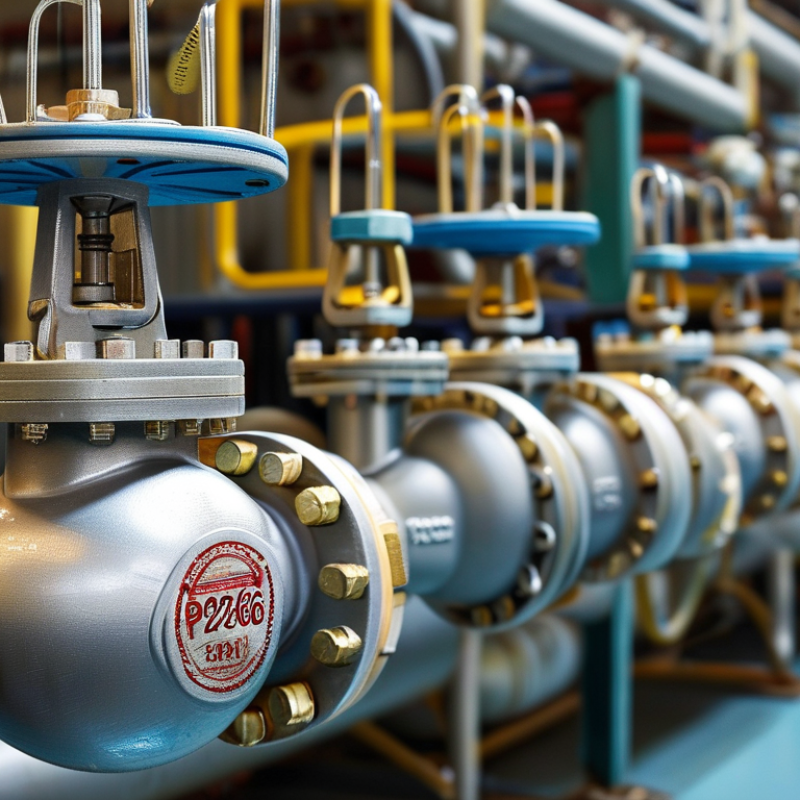
In 2026, global buyers are reviewing PP ball valves from DN15 to DN100. These sizes cover small instrument lines and larger process pipelines. DN15 and DN20 suit dosing equipment, sampling points, and compact utility branches. DN25 to DN50 often serve water treatment, chemical transfer, and laboratory systems. DN65, DN80, and DN100 support higher-flow headers. Size alone does not confirm suitability.
PN10 and PN16 ratings describe nominal pressure classes, not guaranteed pressure at every temperature. Polypropylene performance can decline as process temperature rises. Buyers should request pressure-temperature charts, material certificates, and test records. A valve marked PN16 may require derating in warm service. This detail is easy to miss. It should not be.
Experienced purchasers also inspect the ball, seats, stem, and connection design. Full-bore construction can reduce turbulence and sediment collection. Reinforced seats may improve shutoff stability during repeated cycling. Threaded ends fit smaller maintenance lines, while flanged connections simplify DN65–DN100 installation. Confirm flange drilling, face dimensions, and actuator torque before ordering. I have seen otherwise correct valves delayed by mismatched standards. That is a costly oversight.
Reliable manufacturers should explain factory testing, batch traceability, operating limits, and replacement-part availability. Ask whether each valve receives shell and seat leakage tests. For corrosive media, verify chemical compatibility rather than relying on the PP label. Installation still matters. Excessive torque, poor alignment, and unsupported pipework can damage the valve body. A careful specification sheet prevents more failures than a low purchase price.
| Nominal Size | Common Metric Pipe Outside Diameter | Approximate Imperial Equivalent | Typical Nominal Pressure Options | Common PP Valve Materials | Typical Connection Types | Suitable Applications | Key Buying Considerations |
|---|---|---|---|---|---|---|---|
| DN15 | 20 mm | 1/2 in | PN10–PN16 at 20°C, subject to design | PP-H or PP-R body; EPDM or PTFE seat options | Socket fusion, threaded ends, or union connections | Laboratory water, chemical dosing, irrigation branches, and compact utility lines | Confirm the actual pipe outside diameter and thread standard before ordering. |
| DN20 | 25 mm | 3/4 in | PN10–PN16 at 20°C, subject to design | PP-H or PP-R body; EPDM, FKM, or PTFE sealing options | Socket fusion, threaded ends, or union connections | Small process-water branches, aquaculture, irrigation, and water treatment skids | Check chemical compatibility of the elastomer with acids, alkalis, and oxidizing media. |
| DN25 | 32 mm | 1 in | PN10–PN16 at 20°C, subject to design | PP-H or PP-R body; replaceable thermoplastic seats in many designs | Socket fusion, threaded ends, or union connections | General water service, low-corrosion chemical lines, and light industrial utilities | Verify whether the valve has a full-bore or reduced-bore flow path. |
| DN32 | 40 mm | 1 1/4 in | PN10–PN16 at 20°C, subject to design | PP-H or PP-R body; EPDM, FKM, or PTFE seats | Socket fusion, butt fusion, or union connections | Industrial water circulation, filtration systems, and chemical transfer branches | Review the pressure-temperature derating curve for the intended operating temperature. |
| DN40 | 50 mm | 1 1/2 in | PN10–PN16 at 20°C, subject to design | PP-H or PP-R body; thermoplastic ball with elastomeric seats | Socket fusion, butt fusion, or flanged adaptor connections | Process water, swimming-pool systems, wastewater treatment, and corrosive drainage | Confirm actuator clearance if the valve will be installed in a crowded pipe rack. |
| DN50 | 63 mm | 2 in | PN10–PN16 at 20°C, subject to design | PP-H or PP-R body; EPDM, FKM, or PTFE sealing configurations | Butt fusion, socket fusion, or flanged adaptor connections | Industrial fluid distribution, chemical handling, cooling-water loops, and irrigation mains | Compare flow coefficient, operating torque, and the available manual or actuated configuration. |
| DN65 | 75 mm | 2 1/2 in | PN10–PN16 at 20°C, subject to design | PP-H or PP-R body; reinforced thermoplastic operating components | Butt fusion or flanged adaptor connections | Water-treatment headers, industrial cooling, chemical process lines, and wastewater plants | Check flange drilling compatibility and the required support for the valve and connected pipework. |
| DN80 | 90 mm | 3 in | PN10–PN16 at 20°C, subject to design | PP-H or PP-R body; EPDM, FKM, or PTFE seats depending on media | Butt fusion or flanged adaptor connections | Large process-water circuits, desalination auxiliaries, wastewater, and corrosive services | Specify the valve orientation, actuator type, end connection, and maintenance-access requirements. |
| DN100 | 110 mm | 4 in | PN10–PN16 at 20°C, subject to design | PP-H or PP-R body; heavy-duty thermoplastic ball and sealing system | Butt fusion or flanged adaptor connections | Main process lines, chemical distribution headers, industrial water, and wastewater infrastructure | Validate pressure class, temperature derating, flange alignment, torque, and structural pipe supports. |
Technical note: PN10 and PN16 are nominal pressure designations, not guaranteed working pressures at every temperature or with every PP compound. Actual pressure capability depends on the valve design, PP grade, seat material, connection method, fluid, temperature, cycling frequency, and applicable manufacturer test data. Metric pipe outside diameters shown are common pairings and should be confirmed against the selected piping system and regional standard. Relevant reference frameworks may include ISO 16135 for thermoplastic industrial ball valves and ISO 15494 for thermoplastic industrial piping components.
DN15 and DN20 fit dosing equipment, sampling points, and compact utility branches. DN25 to DN50 suit treatment, transfer, and laboratory systems. DN65 to DN100 support higher-flow headers. Size alone proves little.
They describe nominal pressure classes, not guaranteed pressure at every temperature. Polypropylene may lose performance in warm service. Request pressure-temperature charts before approval. Do not trust the label alone.
Check operating pressure, temperature, fluid type, and cycling frequency. Ask for current shell and seat leakage records. Review material certificates and batch traceability. Small omissions can become expensive.
Socket-fusion ends create compact permanent joints. Threaded ends suit smaller equipment connections. Flanged designs help with larger lines and regular removal. Union connections can shorten maintenance time. Measure carefully.
Full-bore construction may reduce turbulence and sediment collection. Reinforced seats can support stable shutoff during repeated cycling. Confirm ball movement, stem design, and actuator torque. A smooth handle is not enough.
Request applicable material standards, pressure-test records, and production traceability. Quality-system evidence may also be necessary. For drinking-water projects, verify current hygienic approval locally. Old certificates are weak evidence.
Include valve cost, fusion tools, labor, freight, seals, inspection, and downtime. A lower price may hide higher torque or fragile handles. That warning is useful, but not absolute. Test samples first.
Excessive torque, poor alignment, and unsupported pipework can stress the valve body. Confirm flange drilling and face dimensions before ordering. Review technical tables with the installer. I would not wait until delivery.
This guide to Pp Ball Valve Manufacturers in 2026 helps global buyers compare polypropylene ball valves across DN15–DN100 sizes and PN10–PN16 pressure ratings. It explains the differences between PP-H and PP-R materials and highlights the importance of checking ISO 16135 and EN 12201 compliance where applicable. Buyers can also learn how valve construction, sealing design, and connection methods influence reliability in water, chemical, and industrial systems operating from 0°C to 80°C.
The article presents a practical framework for evaluating manufacturers across Europe, Asia, and North America, focusing on documented leak testing, pressure performance, cycle life, production consistency, and technical support. A final buyer checklist covers socket, threaded, and flanged connections, pressure classes, certifications, inspection records, replacement availability, and total cost of ownership. By comparing these factors systematically, purchasers can select dependable PP ball valve suppliers that meet project requirements while balancing service life, maintenance needs, compliance, and overall procurement value.

 EHAO
EHAO