Choosing among the top Polypropylene Ball Valve suppliers worldwide requires more than comparing catalog prices. A dependable supplier should demonstrate material consistency, pressure-test procedures, dimensional control, and transparent production records. These details matter when a valve operates beside chemical tanks, irrigation lines, or a clean water system.
Professor Timothy A. Osswald, a recognized polymer-processing expert, explains, “Polymer processing is the conversion of polymeric materials into useful products.” His point applies directly here. A Polypropylene Ball Valve is only as reliable as the resin selection, molding accuracy, sealing design, and inspection behind it. Suppliers should clearly identify polypropylene grades, operating-temperature limits, connection standards, and pressure ratings. They should also provide test certificates when the application demands documented performance.
Small details matter.
This guide compares international suppliers through practical criteria, including manufacturing experience, quality systems, customization capability, delivery reliability, and technical support. It also considers whether a supplier can maintain consistent valve performance across large production batches. That question is often overlooked. A polished website does not prove factory capability.
Some evaluations remain imperfect. Public supplier data may be incomplete, and regional performance can vary by distributor. Buyers should verify current certifications, sample products, warranty terms, and after-sales responsiveness before making a final decision. A supplier that answers technical questions clearly is usually easier to trust during installation and maintenance.
The companies discussed here represent different strengths, from broad global distribution to specialized industrial production. Their suitability depends on actual service conditions, not reputation alone. Temperature, media compatibility, pressure cycling, and installation practices must guide the final choice.
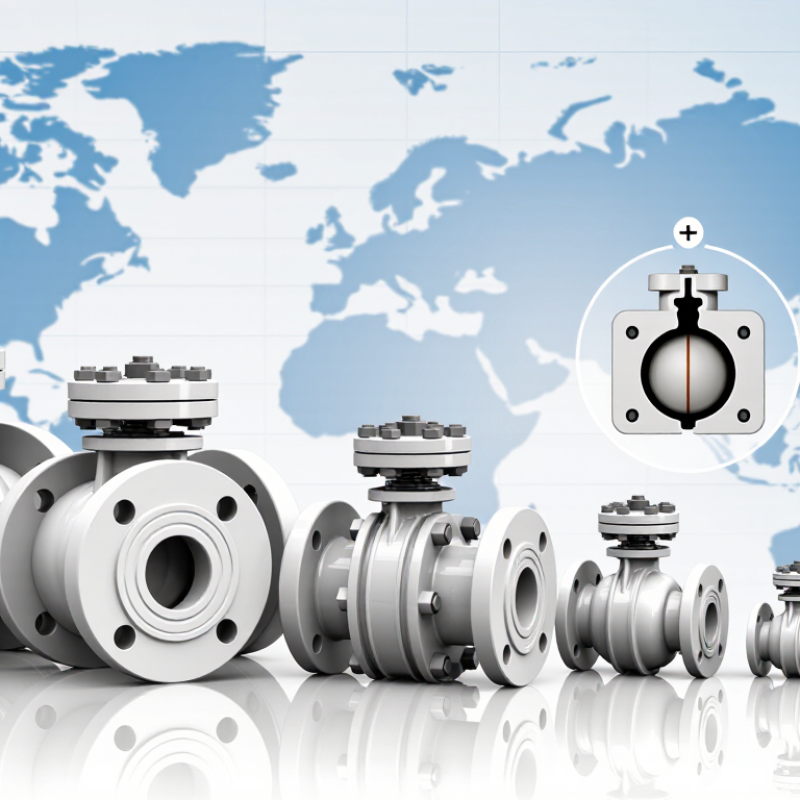
Polypropylene ball valves are quarter-turn shutoff devices made from chemically resistant PP. A perforated ball rotates inside the body, allowing or stopping flow. Their low weight simplifies installation around plastic piping. They also resist many acids, alkalis, and salts at moderate temperatures. According to the Plastics Industry Association’s 2023 market data, polypropylene remains one of the highest-volume thermoplastics worldwide. This broad material base supports reliable valve production and replacement availability.
These valves commonly serve water treatment, irrigation, aquaculture, chemical dosing, and laboratory systems. They are useful where metal corrosion could contaminate fluid or weaken equipment. However, polypropylene is not automatically the best choice. Pressure, temperature, sunlight, and chemical concentration must be checked together. A 2024 analysis by Grand View Research estimated continued growth in the global industrial valves market, driven partly by water infrastructure and process industries. That growth does not remove the need for correct sizing. A valve that looks suitable may still fail under thermal cycling or excessive torque.
Tips: Check the manufacturer’s pressure-temperature chart, not only the pipe diameter. Confirm compatibility using concentration and operating temperature. For outdoor service, ask about ultraviolet stabilization. Threaded connections need careful tightening; excessive force can crack plastic fittings. In my field experience, operators often overlook actuator access near walls. Leave enough space for the handle and future maintenance. Standards such as ISO 5211 can help when selecting compatible actuators, but they do not replace application testing. Small details matter.
Defining the world’s leading polypropylene ball valve suppliers requires more than comparing catalog prices. A reliable supplier should demonstrate practical manufacturing experience, stable material selection, and documented quality controls. Look for polypropylene grades suited to chemical handling, consistent wall thickness, accurate ball rotation, and seals compatible with the intended medium. Pressure and temperature ratings must be clearly stated, not hidden in vague product descriptions.
Independent testing and traceability also matter. Strong suppliers provide batch records, inspection reports, dimensional drawings, and relevant international compliance documents. Their valves should undergo pressure testing before shipment, with results linked to identifiable production lots. Technical support is another useful measure. Engineers should explain socket fusion, threaded connections, flow direction, maintenance access, and installation limits in precise language. Fast replies are helpful, but accurate replies are more important.
I once focused too heavily on a low quotation and overlooked replacement seal availability. That small mistake created avoidable downtime. Lead time, packaging quality, spare parts, and after-sales communication deserve equal attention. A supplier serving different climates should also explain storage conditions and transport protection. Site references can strengthen credibility, although polished testimonials are not proof by themselves. Auditing the factory, reviewing samples, and checking performance under real operating conditions reveal more than a large export number. Even leading suppliers may have weak documentation in one product line, so each valve series requires separate verification.
When comparing polypropylene ball valve suppliers, standards provide a useful starting point, not a complete quality judgment. Check whether the supplier follows relevant ISO, ASTM, DIN, or EN requirements for materials, dimensions, pressure performance, and testing. Requirements can differ by application and market. Confirm the exact standard edition, test method, and pressure class stated in the technical documents.
Material control deserves close attention. Ask for resin specifications, batch records, and evidence that the body, ball, and seals match the promised chemical service. Polypropylene should resist the intended fluids, temperature range, and operating pressure. Inspect wall thickness, thread accuracy, handle strength, and sealing surfaces. Small defects matter.
Request pressure-test results from production batches, not only laboratory samples. Cycle testing can reveal torque growth, leakage, or brittle handles after repeated operation. Supplier traceability should connect each valve to a batch, inspection record, and responsible production date. An ISO 9001 certificate supports process control, but it does not guarantee every valve is perfect. A polished certificate can still hide inconsistent molding or weak inspection habits. Independent sample testing is wise, although it adds time and cost. Before approval, compare actual samples with drawings, tolerances, packaging, and declared performance. Ask difficult questions. The answers often reveal more than a sales sheet.
Polypropylene ball valve suppliers differ sharply by region, product range, and technical support.
Regional manufacturers often offer faster delivery and easier communication, while international suppliers may provide broader sizes, pressure classes, and connection options. A local warehouse can matter when a production line needs replacement valves within days, not weeks.
Product quality also depends on material control.
Experienced suppliers should explain polypropylene grades, sealing materials, operating temperatures, and pressure limits clearly. Some provide valves with EPDM or PTFE seals for different chemical conditions. Others focus on standard threaded models and offer fewer customization options. Ask for dimensional drawings, test records, and traceability documents before placing a large order. A polished catalog is not proof of consistent production.
Support can reveal the real difference.
Reliable teams help select valve size, confirm compatibility, and identify installation risks. Their engineers should answer practical questions, such as torque requirements or actuator fitting. However, supplier claims still need checking. A regional assumption can be wrong. I have seen buyers choose short delivery times, then face unclear warranty terms and missing spare parts.
Tips:
Compare at least three suppliers using the same checklist. Review samples, inspection reports, replacement-seal availability, and response time. Confirm lead times in writing. Test one valve under actual operating conditions before approving a full shipment. Small trials cost more initially, but they can expose weak sealing, poor threads, or inconsistent dimensions early.
Selecting the right polypropylene ball valve supplier requires more than comparing prices. Start with the application. Check fluid type, operating temperature, pressure, pipe size, and connection method. Polypropylene performs well in many corrosive environments, but it is not suitable for every chemical or temperature range.
Ask suppliers for material specifications, pressure ratings, dimensional drawings, and test records. Reliable suppliers should explain how valves are molded, assembled, and inspected. Look for batch traceability and clear quality procedures. Certifications may help, but they should match your industry and local requirements. A certificate alone proves little.
Practical experience matters. Request samples before placing a large order. Turn the handle repeatedly and inspect the stem, seals, threads, and body surface. Small defects can become leaks after installation. Ask how the supplier handles replacement parts, technical questions, and unexpected failures. Response time matters during maintenance.
Do not choose on price alone. A cheaper valve may use weaker seals or inconsistent wall thickness. That assumption should still be tested, not accepted blindly. Compare total cost, including installation delays and replacement work. One overlooked detail is often the connection standard. A valve can meet its pressure rating and still fail to fit your piping system. Suppliers who ask detailed questions usually understand the application better. Those who promise everything deserve closer review.
Check relevant international or local standards for materials, dimensions, pressure performance, and testing.
Request resin specifications, batch records, and material details for the body, ball, and seals.
Inspect wall thickness, thread accuracy, handle strength, and sealing surfaces.
Yes. Request results from production batches, not only laboratory samples.
Repeated operation can reveal rising torque, leakage, or brittle handles.
Ask whether each valve connects to a production batch, inspection record, and manufacturing date.
No. A certificate supports process control, but it cannot guarantee every valve is defect-free.
Provide the fluid type, temperature, pressure, pipe size, and connection method.
Compare total cost, including installation delays, replacement work, testing, and maintenance response.
Request samples and compare them with drawings, tolerances, packaging, and declared performance.
Polypropylene Ball Valve suppliers play an important role in fluid control systems used in chemical processing, water treatment, agriculture, laboratories, aquaculture, and industrial piping. These valves are valued for their corrosion resistance, lightweight construction, reliable shutoff performance, and suitability for many demanding environments. Leading suppliers are generally distinguished by consistent manufacturing quality, material transparency, product durability, technical expertise, production capacity, and dependable delivery services.
When comparing suppliers worldwide, buyers should examine applicable pressure, temperature, dimensional, and safety standards, along with testing procedures, quality management, certifications, and traceability. Suppliers may differ by region in product availability, customization options, connection types, automation support, inventory, and after-sales assistance. The right choice depends on the operating medium, system pressure, temperature range, pipe specifications, installation conditions, expected service life, budget, and required technical support. A careful evaluation of engineering capabilities, documentation, communication, warranty terms, and long-term supply stability can help users select a supplier that delivers safe, efficient, and cost-effective valve solutions.

EHAO